Introduction
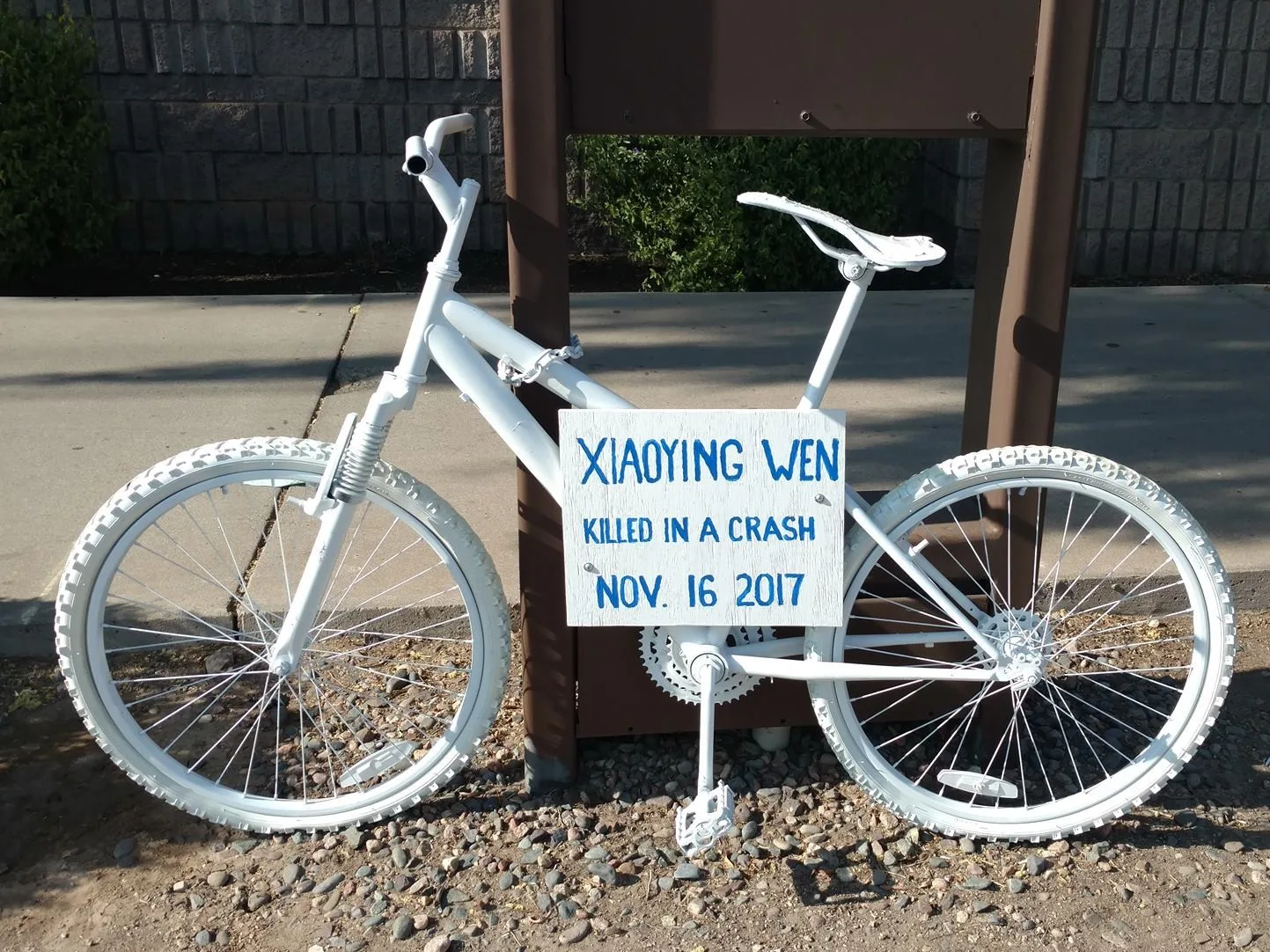
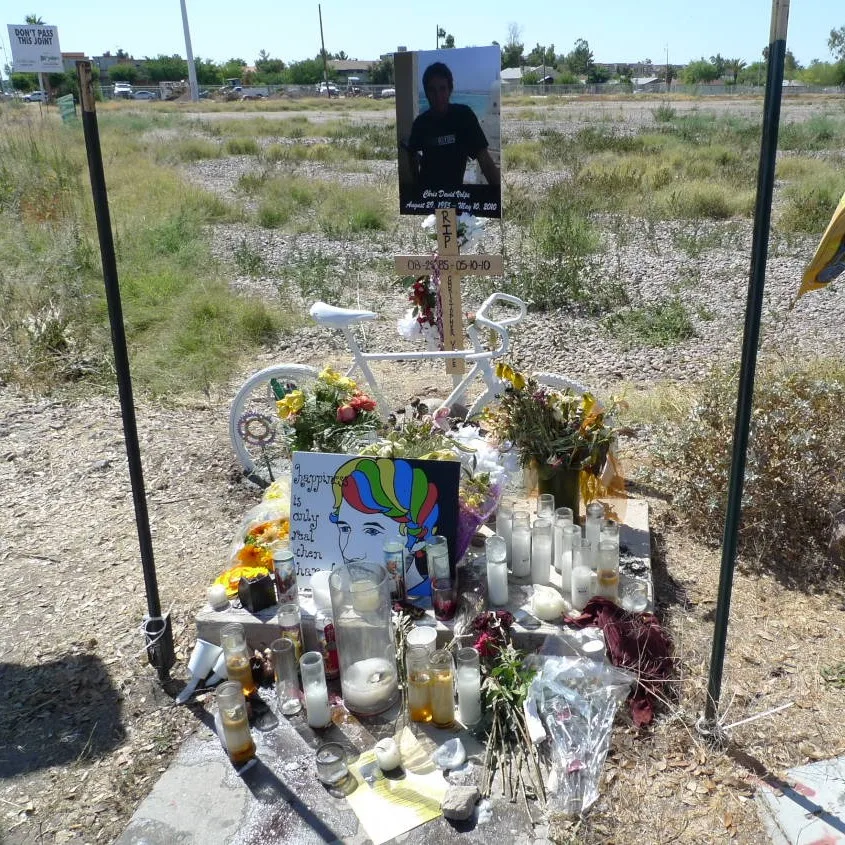
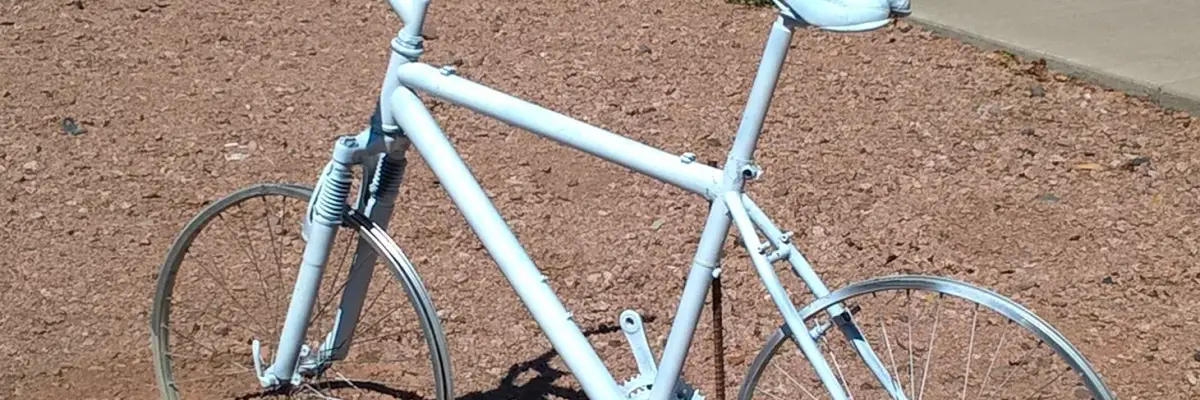
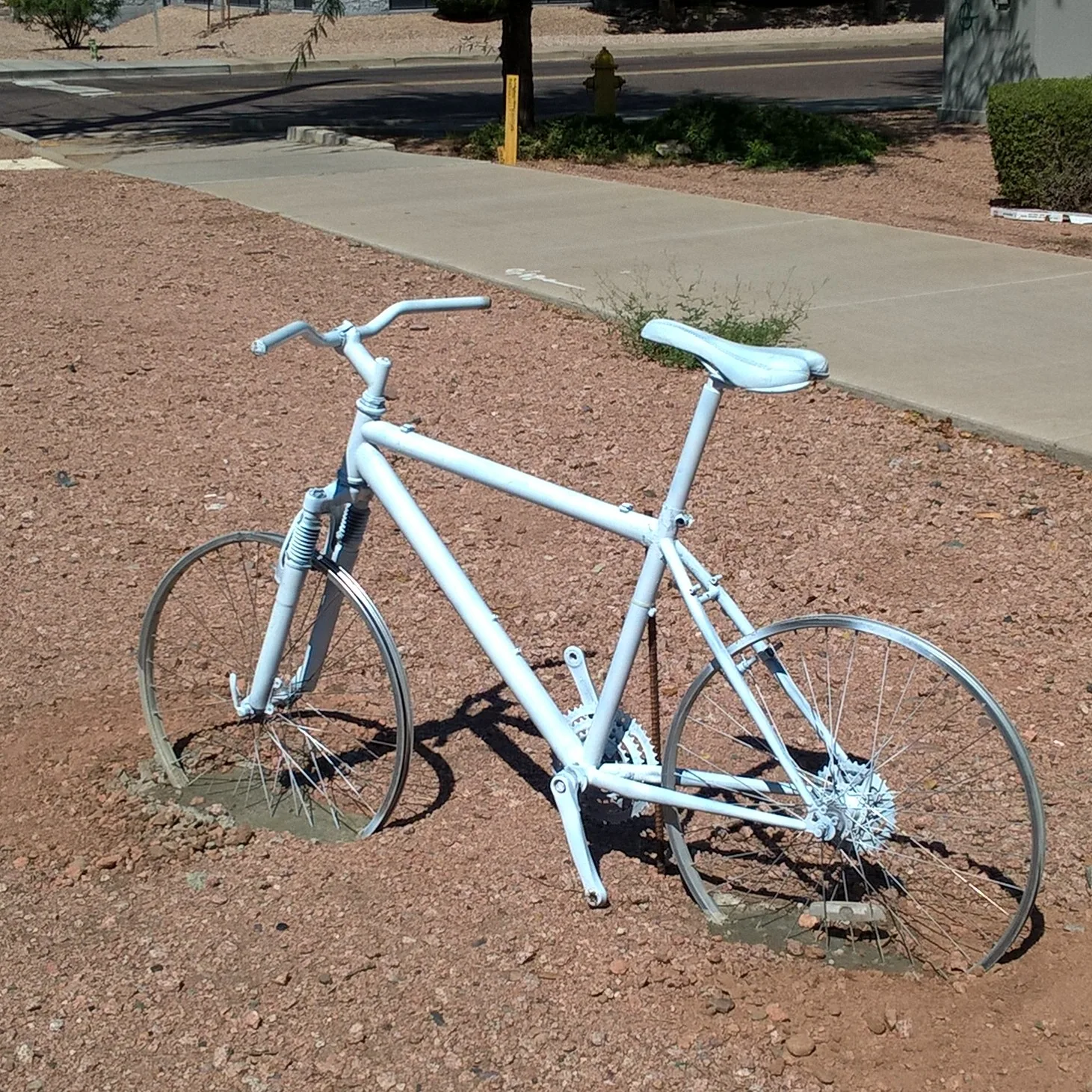
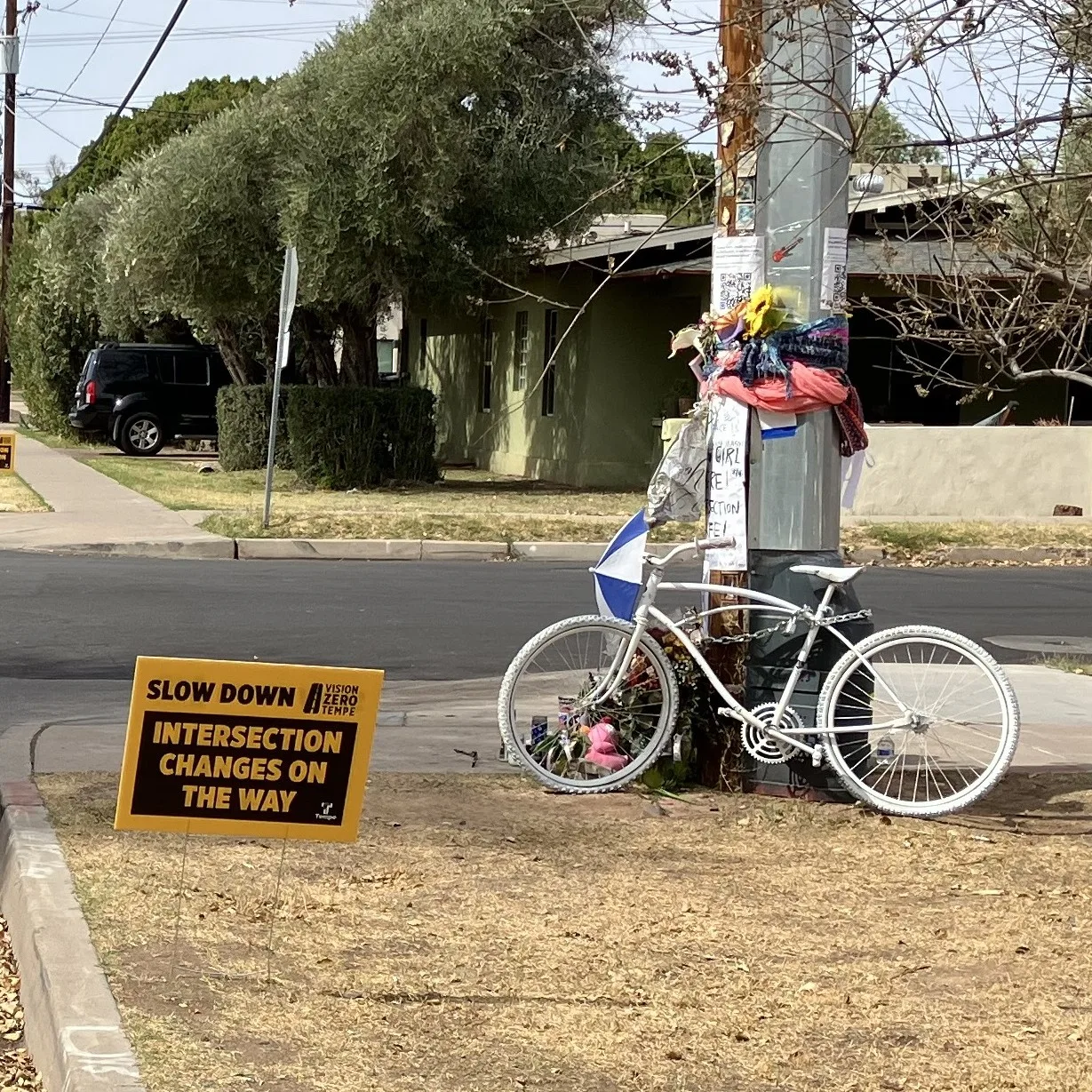
Ghost bikes are powerful public memorials that honor cyclists who have lost their lives to traffic violence. These stark white bicycles, locked at or near the location where a cyclist was killed, serve as both a memorial to the victim and a reminder to all road users about the vulnerability of cyclists on our streets.
This guide will walk you through the process of creating a meaningful ghost bike memorial that honors the deceased while raising awareness about traffic safety.
Before You Begin
Creating a ghost bike memorial is an act of both remembrance and advocacy. Before starting:
- Contact the victim's family if possible to ensure they welcome this form of memorial
- Research local regulations regarding roadside memorials. Some cities have laws restricting their installation, but this should not deter you from creating one. Even if local authorities remove the ghost bike, its presence, however temporary, can spark crucial conversations about road safety.
- Connect with local cycling advocacy groups who may have experience with ghost bike installations
- Consider the timing—immediately after the incident or on a meaningful anniversary
Materials Checklist
- One used bicycle (doesn't need to be rideable, but should be complete)
- White spray paint (2-3 cans, preferably weather-resistant)
- Heavy-duty chain and lock
- Wire brush for cleaning/prepping the bike
- Gloves and protective mask
- Drop cloth or cardboard
- Optional: All-weather laminated information card about the victim
Ghost Bike Preparation Process
1: Acquire a Bicycle
- Source a used bicycle from donations, thrift stores, or your local bike collective
- Choose a size appropriate for the person being memorialized if possible
- Remove any parts that could be easily stolen or weld them directly to the frame (quick-release wheels, seats, etc.)
2: Prepare the Bicycle
- Clean the bicycle thoroughly with soap and water
- Remove stickers, decals, and any rust with a wire brush
- Disassemble any components that need deeper cleaning, if necessary
- Let dry completely before painting
Step 3: Paint the Bicycle
- Find a well-ventilated area, preferably outdoors
- Lay down drop cloths or cardboard to catch overspray
- Wear protective gloves and a mask
- Apply multiple light coats rather than one heavy coat
- Cover the entire bicycle—frame, wheels, seat, handlebars—in white
- Let paint dry completely between coats (follow manufacturer's instructions)
- Apply a final coat for durability
Installation Procedure
Location Selection
- Choose a visible, safe location near where the incident occurred
- Ensure the location won't create a hazard for others
- Consider a spot that won't block pedestrian or bicycle traffic
- If possible, choose a location near a tree, pole, or permanent fixture
Installation Steps
Expanded details for this section
Long section
Installation Steps
Expanded details for this section
Installation Steps
- Bring the ghost bike to the chosen location
- Secure the bike with a heavy-duty chain and lock to a fixed object
- Position the bike facing the direction of travel if possible
- Attach any memorial cards or information in weather-resistant covering
- Consider taking photos of the installation for documentation
- If appropriate, hold a brief ceremony or moment of silence
Maintaining the Memorial
- Check on the ghost bike regularly
- Clean any accumulated dirt or debris
- Replace any damaged or faded memorial items
- Consider seasonal decorations if appropriate
- Document its condition and any community reactions
Reaching Out to Local Authorities
- While ghost bikes are often installed without official approval, reaching out to local authorities can sometimes lead to collaboration on long-term safety improvements.
- Some cities have policies that require memorials to be removed after a set period. Even in such cases, installing a ghost bike remains a powerful act of advocacy and remembrance.
- If officials express concerns, request alternative ways to honor the victim, such as a permanent memorial or safety infrastructure improvements.
- Document any responses or discussions with officials to track progress and accountability.
Community Engagement
Notification Checklist
- Inform local cycling advocacy groups
- Notify neighborhood associations if applicable
- Consider informing local media with the family's permission
- Share on social media
Using the Memorial for Advocacy
- Organize awareness rides that begin or end at the memorial
- Use the memorial as a gathering point for traffic safety discussions
- Consider creating informational materials about cycling safety to distribute nearby
- Work with local officials to improve safety in the area
Supporting the Victim's Family
- Respect their wishes regarding the memorial at all times
- Invite them to participate in the creation or installation if they wish
- Keep them informed about the memorial and its impact
- Consider organizing a fundraiser to help with expenses if appropriate
When Removal Is Necessary
Ghost bikes sometimes need to be removed due to regulations, construction, or at the family's request:
- Document the memorial thoroughly with photographs
- Remove all personal items and return to the family if possible
- Consider collecting the ghost bike for use in exhibitions or advocacy events
- If creating a permanent removal, consider organizing a final ceremony
Final Thoughts
Creating a ghost bike memorial is a powerful act of remembrance and advocacy. While each memorial is unique to the person it honors, all ghost bikes share a common message: remember the fallen and work toward safer streets for everyone.