
INTRODUCTION
This guide is designed to help you organize engaging, fun-filled neighborhood bike events that bring communities together while promoting cycling culture. Whether you're planning a "Neighborhood Bike Bash," "Community Bike Celebration," or "Spring Bike Festival," this resource will walk you through the essential elements of creating a successful local event centered around bicycling.
Remember: Great community bike events combine practical value (like free repairs) with fun activities that get people excited about cycling in their neighborhood. {.is-success}
EVENT OVERVIEW
Format: 3-4 hour outdoor community gathering
Setting: Neighborhood park, community center, school playground, or closed-off street section
Participants:
- 30-200+ community members of all ages
- 5-15 volunteers/organizers
Events like this grow over time. We've hosted events with more volunteers than participants. Don't get discouraged! It takes practice and multiple repeates to grow an event. {.is-info}
Purpose: To celebrate bicycle culture, provide practical bike services, teach bike safety, build community connections, and encourage more neighborhood cycling through an accessible, family-friendly event.
This event is designed to be:
- Inclusive: Welcoming cyclists of all ages and skill levels
- Practical: Offering tangible benefits like basic repairs
- Educational: Teaching essential cycling skills and safety
- Festive: Creating a celebratory atmosphere around cycling
- Community-Building: Strengthening neighborhood connections
Spring is an ideal time for these events, as people are getting bikes ready for the season! {.is-info}
DESIRED OUTCOMES
By the end of your bike celebration, you should achieve the following:
- Community Engagement: Residents feel more connected to their neighborhood and each other
- Increased Cycling Interest: Participants feel inspired to ride more frequently
- Practical Support: Bikes are repaired, tuned up, and ready for the season
- Safety Education: Participants (especially children) learn essential cycling safety skills
- Future Planning: Connections made for potential cycling advocacy or future events
PRE-EVENT PLANNING
2 Months Before
- Form organizing committee (3-5 people is ideal)
- Set date, time, and secure location. Many cities will require a special use permit, even if hosted in the parking lot on private property.
- Develop budget and identify funding sources (if needed)
- Connect with local bike shops for potential partnerships
- Recruit volunteer bike mechanics
- Begin outreach to local organizations (schools, community groups)
- Create preliminary activity plan
1 Months Before
- Finalize event activities and schedule
- Create marketing materials (flyers, social media graphics)
- Set up event page/registration if needed
- Secure equipment and supplies
- Recruit additional volunteers
- Contact local media about event coverage
- Arrange food/refreshments (if applicable)
- Create site map for various activity stations (if needed)
2 Weeks Before
- Distribute marketing materials throughout neighborhood
- Conduct outreach to local schools/PTAs, places of worship, businesses, and local government
- Purchase/gather all supplies
- Create signage for the event
- Develop volunteer instruction sheets
- Check weather contingency plans
- Send reminders to all partners and participants
Week Before
- Confirm all volunteers and assign specific roles
- Social media push
- Equipment inventory and gathering
- Print all necessary materials
- Final site visit to confirm layout
- Weather check and contingency planning
- Prepare day-of checklist for all organizers
MARKETING YOUR EVENT
Key Messaging
Your promotional materials should emphasize:
- The family-friendly nature of the event
- The practical benefits (free bike tune-ups, safety checks)
- The fun activities for all ages
- The community-building aspect
- The seasonal timing (getting ready for spring/summer riding)
Sample Email/Newsletter Announcement
Subject: Join the [Neighborhood Name] Bike Bash on [Date]!
Get ready to roll into spring at the [Neighborhood Name] Bike Bash!
🚲 WHEN: [DATE] from [TIME]
🚲 WHERE: [LOCATION] (free parking available)
🚲 WHAT: Free bike tune-ups, safety rodeo for kids, decorated bike parade, cycling games, and more!
Dust off those bikes and bring the whole family for an afternoon of cycling fun and practical bike help. Our volunteer mechanics will be providing FREE basic repairs and safety checks to get your bikes road-ready for the season.
Highlights include: • Free basic bike repairs and safety checks • Bike decorating station • Kids' bike safety rodeo and skills course • Neighborhood bike parade at [TIME] • Cycling information and resources • Raffles for bike accessories • [Add any other special activities]
No registration needed! Just show up with your bikes and your community spirit.
Questions? Contact [NAME] at [EMAIL/PHONE]
Social Media Post Templates
🚲 NEIGHBORHOOD BIKE BASH 🚲
Join us for a day of bikes, fun, and community at [Location] on [Date] from [Time]!
Bring your bikes for: ✅ FREE basic repairs & safety checks ✅ Kids' bike safety rodeo ✅ Decorated bike parade ✅ Games & prizes ✅ Bike-powered activities ✅ Community connections
Perfect for families and cyclists of all ages and skill levels! Help spread the word by sharing with your neighbors.
[Event link in bio/comments]
🚲🌟 Get ready for the [Neighborhood] Spring Bike Fest! 🌟🚲
🗓 [Date] ⏰ [Time] 📍 [Location]
Bring the whole family for a morning of bike fun, including: ✅ FREE helmets, tune-ups, lights, and water bottles ✅ Bike games & a Kid’s Safety Clinic ✅ A fun Neighborhood Ride ✅ FREE bike repairs
Let’s roll together and celebrate our community on wheels! Don’t miss it! 🚴♂️🚴♀️✨
Graphic Templates
Click on an image to open up a Canva template you can edit directly
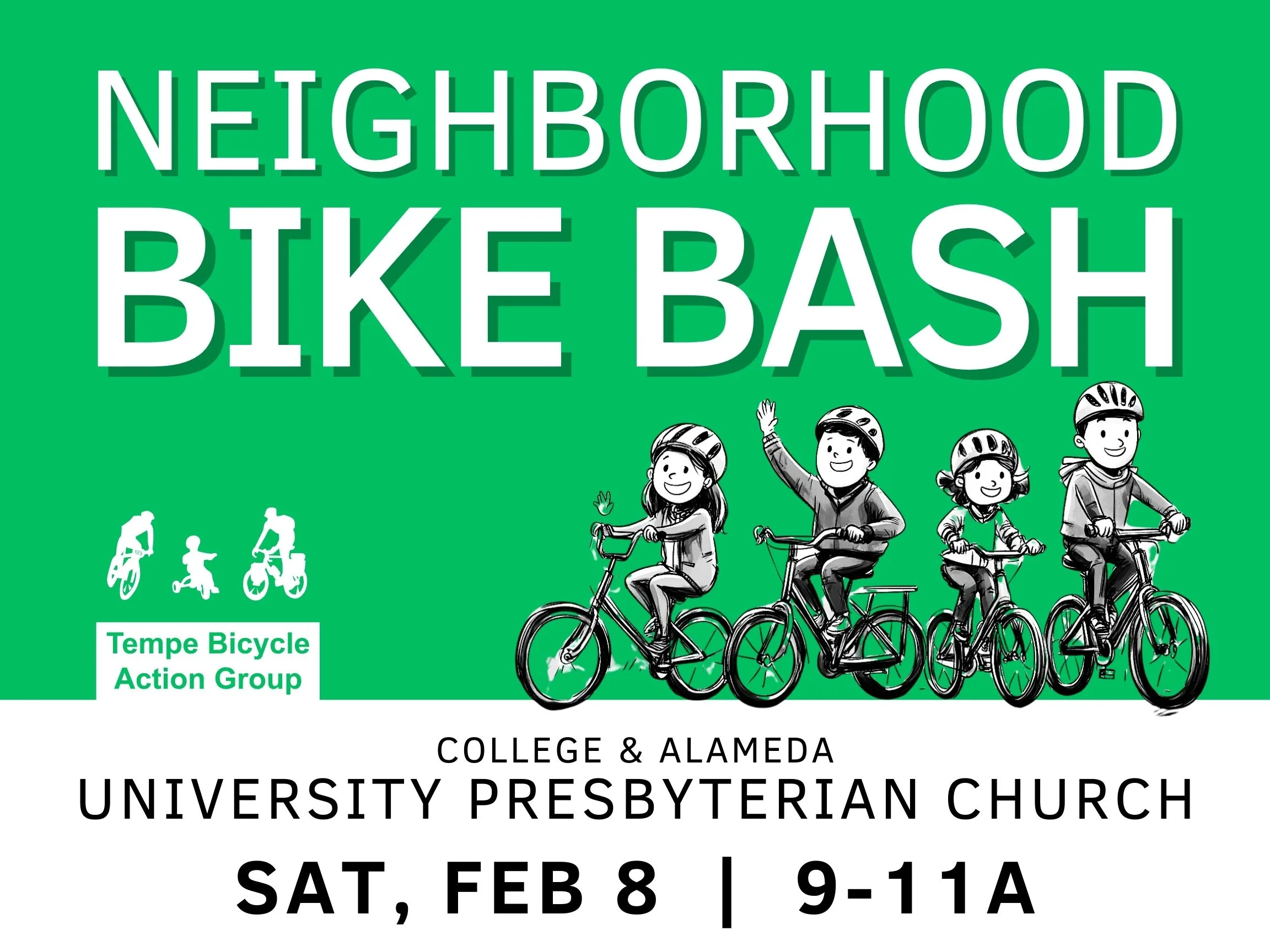 These make great coroplast yard signs. Print once, then cover the white area with a cheap sticker to reuse for future events.
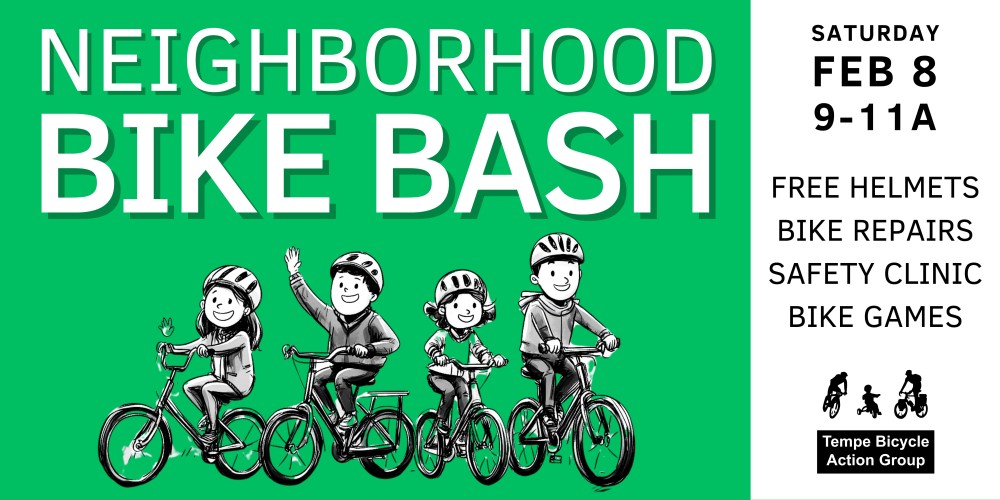 This makes a good vinyl banner. Again, you can print a cheaper sticker to change the details for reuse at future events.
Flyer Tips
Create colorful flyers to post at:
- Local schools
- Community centers
- Coffee shops
- Libraries
- Bike shops
- Apartment building bulletin boards
- Neighborhood stores
- Parks and recreation facilities
Include clear date, time, location, activities list, and contact information.
ROLES AND RESPONSIBILITIES
For a successful bike event, assign the following roles to your team:
Event Coordinator
Responsibilities:
- Oversees entire event planning and execution
- Coordinates with all team leads
- Manages budget and resources
- Ensures proper permits and permissions
- Makes day-of decisions as needed
Skills needed: Strong organizational and leadership abilities, experience with event planning, good decision-making under pressure
Mechanical Support Lead
Responsibilities:
- Recruits volunteer mechanics
- Organizes repair station layout and workflow
- Ensures proper tools and basic parts are available
- Manages repair sign-ups during the event
- Provides guidance on repair limitations
Skills needed: Bicycle mechanical knowledge, connections to local bike shop community, organizational skills
Activity Coordinator
Responsibilities:
- Plans and oversees specific activity (e.g. Bike Rodeo, Bike Parade, Bike Games)
- Recruits and trains activity station volunteers
- Ensures all supplies are prepared and available
- Adapts activities based on turnout and flow
- Keeps activities running on schedule
Skills needed: Experience with group activities, creativity, enthusiasm, ability to engage with children and families
Volunteer Coordinator
Responsibilities:
- Recruits all event volunteers
- Creates volunteer schedule and assignments
- Conducts volunteer orientation/training
- Serves as point person for volunteer questions
- Ensures volunteers have necessary supplies and breaks
Skills needed: Strong people skills, organizational ability, clear communication
Marketing/Outreach Lead
Responsibilities:
- Creates and distributes all promotional materials
- Manages social media and online presence
- Conducts community outreach
- Coordinates with local media
- Documents event with photos/video
Skills needed: Marketing experience, social media savvy, good writing skills, community connections
For smaller events, individuals can take on multiple roles, but be sure all key responsibilities are assigned. {.is-warning}
REQUIRED RESOURCES
Essential Equipment and Supplies
Expanded details for this section
Long section
Essential Equipment and Supplies
Expanded details for this section
Essential Equipment and Supplies
Bike Repair Station
- Portable bike stands (2-4)
- Basic tool kits (hex wrenches, screwdrivers, tire levers)
- Floor pumps (2-3)
- Lubricant (chain oil)
- Cleaning supplies (rags, degreaser)
- Patch kits
- Basic replacement parts (inner tubes in common sizes, cables)
- Work tables
- Sign-up sheet/system for repairs
- Educational materials about basic maintenance
If you host multiple bike events in your community, consider applying for the Park Tool Grant {.is-info}
Safety Rodeo/Skills Course
- Cones/chalk for course layout
- Stop signs (portable)
- Bike safety handouts
- Certificates of completion
- Extra helmets (various sizes)
- Helmet fitting guides
- Obstacle course items (wood planks, pool noodles)
- Sidewalk chalk for course markings
- Measuring tape
- Clipboards and evaluation sheets
- Safety vests for volunteers
Check Out our Bike Rodeo page for more tips on organizing bike education for youth. {.is-info}
Bike Parade Materials
- Decorating supplies (streamers, pipe cleaners, artificial flowers)
- Balloons
- Spoke decorations
- Temporary paint (for sidewalks to mark route)
- Parade route maps
- Noisemakers/bells
- Safety vests for parade leaders
- Portable speaker for music
General Event Supplies
- Canopy tents for stations (2-4)
- Tables (6-10)
- Chairs (12-20)
- Event signage and wayfinding signs
- Registration/information table materials
- First aid kit
- Trash and recycling bins
- Water station
- Volunteer identification (t-shirts, badges, vests)
- Name tags
- Participant surveys/feedback forms
- Bike-related prizes/giveaways
- PA system or megaphone
Optional But Recommended
- Refreshments station
- Local cycling maps
- Stickers/patches for participants
- Banner for photo opportunities
- Bike rack/parking area
- Information booth on local cycling initiatives
EVENT SCHEDULE
Sample 4-Hour Schedule
Expanded details for this section
Long section
Sample 4-Hour Schedule
Expanded details for this section
Sample 4-Hour Schedule
| Time | Activity | Location | Description |
|---|---|---|---|
| 9:00-9:30 | Volunteer Arrival & Setup | All Areas | Volunteers arrive, review roles, set up stations |
| 10:00-10:15 | Event Opening | Main Stage | Welcome announcements, schedule overview |
| 10:00-1:30 | Bike Repair Station Open | Repair Zone | Ongoing basic repairs and safety checks |
| 10:15-1:30 | Bike Safety Rodeo | Skills Area | Continuous rotations through safety skills stations |
| 10:15-1:30 | Bike Decorating Station | Art Zone | Materials available for decorating bikes for parade |
| 10:30-11:30 | Basic Maintenance Workshops | Workshop Area | Short demonstrations (chain cleaning, tire changes) |
| 11:00-12:00 | Cycling Games | Games Area | Slow race, obstacle courses, bike limbo |
| 12:00-12:30 | Community Bike Ride Info Session | Info Booth | Information about local riding opportunities |
| 12:30-1:00 | Bike Parade Assembly | Staging Area | Participants gather with decorated bikes |
| 1:00-1:30 | Neighborhood Bike Parade | Neighborhood Route | Group ride through neighborhood |
| 1:30-2:00 | Closing Celebration & Cleanup | Main Area | Final announcements, prizes, acknowledgments |
Shorter 3-Hour Schedule
| Time | Activity | Location | Description |
|---|---|---|---|
| 9:30-10:00 | Volunteer Setup | All Areas | Quick station preparation |
| 10:00-10:10 | Welcome | Main Area | Brief welcome and instructions |
| 10:00-1:00 | Bike Repair Station | Repair Zone | Ongoing repairs throughout event |
| 10:15-12:15 | Safety Rodeo | Skills Area | Bike safety skills for kids |
| 10:15-12:30 | Bike Decorating | Art Zone | Quick bike decoration for parade |
| 11:15-11:45 | Quick Fix Demos | Repair Zone | 10-minute basic repair demonstrations |
| 12:00-12:30 | Cycling Games | Games Area | Fun group activities |
| 12:30-12:45 | Parade Lineup | Staging Area | Gathering for parade |
| 12:45-1:15 | Bike Parade | Short Route | Neighborhood ride |
| 1:15-1:30 | Wrap-up | Main Area | Thank you and cleanup |
These schedules can be adjusted based on your community needs and volunteer capacity. Invite participants to help you with break down and cleanup. {.is-info}
EVENT ACTIVITIES
1. Bike Repair Station
Purpose: Provide practical bike maintenance, get bikes ready for the season, and teach basic mechanical skills
Setup Needs:
- Repair stands, tools, parts
- Mechanics with various skill levels
- Shade/shelter
- Check-in system for repairs
Instructions:
- When possible, invite attendees to learn the repairs with your bike mechanics.
- Establish a triage system to handle simpler repairs first
- Set clear expectations about repair limitations
- Include a self-service station with pumps and basic tools
- Offer simple maintenance demonstrations throughout the event
Volunteer Tips:
- Have mechanics bring their own toolkits if possible
- Pair experienced mechanics with beginners for mentoring
- Have a "bike wash" station to clean dirty bikes before repairs
2. Bike Safety Rodeo
Expanded details for this section
Long section
2. Bike Safety Rodeo
Expanded details for this section
2. Bike Safety Rodeo
Purpose: Teach essential cycling safety skills in a fun, interactive format for children
Setup Needs:
- Open paved area
- Course materials (cones, chalk, signs)
- Volunteer instructors
- Safety handouts
Course Stations: View our bike rodeo page or purchase a Youth Skills Instructor Manual from the League of American Bicyclists for more details. A basic course usually includes:
- Helmet Fitting - Proper fitting and importance
- ABC Quick Check - Air, Brakes, Chain/Crank, Quick Release safety check
- Starting/Stopping Practice - Control basics
- Straight Line Riding - Balance and control
- Signaling Practice - Hand signals while maintaining control
- Obstacle Navigation - Avoiding hazards
- Intersection Awareness - Looking and crossing safely
Instructions:
- Design course based on available space and expected age ranges
- Create "completion cards" that get stamped at each station
- Offer "certificates" for children who complete all stations
- Consider different tracks for different age/skill levels
Volunteer Tips:
- Use teen volunteers to demonstrate skills to younger children
- Keep instructions simple and demonstrations clear
- Celebrate small improvements
- Have spare helmets available for fitting demonstrations
3. Decorated Bike Parade
Purpose: Create festive community activity and visible celebration of cycling
Setup Needs:
- Decoration station with various materials
- Planned route (0.5-1 mile, traffic-controlled)
- Parade marshals/leaders
- Gathering area for assembly
Instructions:
- Set up decoration station 2+ hours before parade
- Create clear map of route for participants
- Designate parade leaders, middle marshals, and sweep riders
- Consider a theme for decorations (seasons, community pride, etc.)
- Arrange for any traffic control needs with local authorities
- Plan for inclusive participation (walking option for those without bikes)
Volunteer Tips:
- Take photos at a designated spot along the route
- Have volunteer "safety riders" throughout the parade
- Use walkie-talkies for communication among parade staff
- Have a contingency plan for route if needed
- Consider music/noisemakers to make the parade more festive
4. Cycling Games and Activities
Purpose: Create fun, engaging activities that build bike handling skills
Game Options:
- Slow Race - Last person to reach finish line without putting foot down wins
- Bike Limbo - How low can you go while still riding? P(roblematic with most insurance)
- Obstacle Course - Navigate through fun challenges
- Bike Bingo - Find items throughout the event area while riding
- Target Toss - Throw soft objects into targets while riding past
- Balance Contest - Track stand competition (who can balance in place longest)
- Bike Bowling - Knock down pins with a ball while riding
- Water Carry - Transport water in a cup through a course without spilling
Setup Needs:
- Designated game areas
- Game-specific materials
- Volunteer facilitators
- Small prizes
Instructions:
- Create clear, simple rules for each game
- Establish appropriate age groups if needed
- Keep games short so multiple people can participate
- Ensure activities build skills while being fun
5. Educational Workshops
Purpose: Share knowledge and build community skills
Workshop Ideas:
Basic Bike Maintenance (15-20 minutes)
- Fixing a flat
- Adjusting brakes
- Cleaning and lubing a chain
Urban Cycling Skills (15-20 minutes)
- Safe lane positioning
- Navigating intersections
- Communication with drivers
Family Cycling Tips (15-20 minutes)
- Equipment options for riding with kids
- Route planning for families
- Building children's confidence
Bike Commuting 101 (15-20 minutes)
- Essential gear
- Route planning
- Weather preparation
Setup Needs:
- Quiet space with some seating
- Demo bike and tools
- Handouts or take-home resources
- Knowledgeable presenters
Volunteer Tips:
- Keep workshops brief and focused
- Use visual demonstrations
- Leave time for Q&A
- Provide resource list for further learning
6. Additional Activity Ideas
Expanded details for this section
Long section
6. Additional Activity Ideas
Expanded details for this section
6. Additional Activity Ideas
- Bike Swap Area - Designated space for trading/selling bikes and parts
- Bike Portrait Booth - Photo station with your bike and logos of sponsors or your organization as backdrop. Costume pieces like big glasses, wigs, or fun hats / helmets are a great addition.
- Community Mapping - Map for community members to mark and identify good/bad cycling routes.
- Bike-Powered Activities - Attach a dynamo to a stationary bike (especially kid sized bikes) to power small electronics like speakers or a bulb.
- Bike Art - Create art using bike parts or bike-themed crafts
- Bike Registry - Register bikes with local police for theft prevention
- E-Bike Demonstrations - Intro to electric-assist bikes
- Adaptive Cycling Showcase - Featuring bikes for various abilities
- Bike History Display - Evolution of bicycles with examples
- Local Bike Route Planning - Help finding safe routes in your area
- Bike-Themed Face Painting - For younger children
- Cycling Advocacy Information - Local initiatives and how to get involved
- Bike Trailer Demonstrations - Cargo options for utilitarian cycling
EVENT LAYOUT
Sample Site Plan
Expanded details for this section
Long section
Sample Site Plan
Expanded details for this section
Sample Site Plan
Design your event with distinct zones that allow for easy flow between activities:
Welcome Zone
- Information booth
- Event maps
- Registration (if needed)
- Volunteer check-in
Repair Zone
- Repair stands
- Self-service station
- Parts and tools
- Mechanical demonstration area
Kids' Zone
- Safety rodeo course
- Games area
- Face painting/activities for youngest children
- Helmet fitting station
Community Zone
- Local organization booths
- Maps and resources
- Refreshments
- Seating area
Creative Zone
- Bike decoration station
- Bike art activities
- Photo booth
Demo/Workshop Area
- Educational presentations
- Product demonstrations
- Designated quiet space
Staging Area
- Bike parade assembly point
- Clear entry/exit for parade
Consider traffic flow between zones and create a clear map for volunteers and participants {.is-info}
WEATHER CONTINGENCY PLANS
Outdoor events require backup plans:
Light Rain
- Have canopy tents for key stations
- Prepare plastic coverings for materials
- Focus on covered activities
Heavy Rain/Storms
- Set a clear cancellation/postponement policy
- Have an indoor backup location if possible
- Communicate changes promptly via social media/email
- Consider a rain date option
Excessive Heat
- Provide shade structures
- Ensure water stations
- Schedule high-activity events for cooler parts of day
- Have cooling stations
Wind
- Secure all tents and materials
- Have weights for paper materials
- Modify bike parade route if needed to avoid wind tunnels
POST-EVENT FOLLOW-UP
Immediate Actions (Same Day)
- Post thank-you and photos on social media
- Clean up all areas completely
- Return any borrowed equipment
- Hold short debrief with key volunteers
- Collect all feedback forms
Within One Week
- Send thank-you emails to all volunteers, sponsors, and partners
- Compile feedback and participant data
- Create photo album to share
- Document successes and challenges while fresh
- Send follow-up information promised to participants
Within One Month
Expanded details for this section
Long section
Within One Month
Expanded details for this section
Within One Month
- Hold evaluation meeting with planning committee
- Create event report with metrics, photos, and lessons learned
- Begin planning for next event if applicable
- Connect participants to ongoing cycling opportunities
- Thank sponsors with impact reports
SAMPLE THANK-YOU EMAIL
Subject: Thank You for Making the [Neighborhood] Bike Bash a Success!
What an amazing day! Thanks to you and over [number] neighbors, our [Neighborhood] Bike Bash was a tremendous success. Together we:
- Repaired [number] bicycles
- Taught [number] children essential safety skills
- Paraded through the neighborhood with [number] decorated bikes
- Connected [number] neighbors around our shared cycling community
We've created a photo album of the day's highlights, which you can view here: [Link]
This event wouldn't have been possible without our wonderful volunteers, sponsors, and participants. Special thanks to [key contributors].
Based on the enthusiasm we saw, we're already thinking about our next cycling event. If you'd like to be involved in planning or have suggestions, please let us know!
Keep riding and enjoying our beautiful neighborhood streets.
Warmly, [Your Name] [Organization/Group] [Contact Information]
EVALUATION METRICS
To measure success and improve future events, track these key metrics:
Attendance
- Total participants
- Demographics (ages, neighborhoods)
- First-time vs. returning participants
Activity Participation
- Number of bikes repaired
- Children completing safety rodeo
- Parade participants
- Workshop attendance
Community Impact
- New connections formed
- Local organizations involved
- Media coverage obtained
- Social media engagement
Volunteer Engagement
- Number of volunteers
- Hours contributed
- Volunteer satisfaction
- New skills developed
Practical Outcomes
- Bikes made road-ready
- Safety issues addressed
- New cyclists engaged
- Cycling resources distributed
BUDGET CONSIDERATIONS
Typical Expenses
| Category | Items | Estimated Cost |
|---|---|---|
| Supplies | Repair parts, decorations, game materials | $100-300 |
| Equipment Rental | Tents, chairs, PA system | $0-500 |
| Printing | Flyers, maps, certificates | $50-150 |
| Refreshments | Water, snacks for volunteers | $50-200 |
| Publicity | Posters, social media promotion | $0-100 |
| Permits | Park use, street closure | $0-200 |
| Thank-you Items | Volunteer appreciation | $50-100 |
| Contingency | Unexpected needs | 10% of budget |
You'll often find many businesses are willing to donate specific items and your community often has more resources than you expect to make your event a success. Start small. Don't worry about a big budget. Grow and build over time as you learn how to execute events well.
Funding Sources
- Local business sponsorships
- Community grants
- Neighborhood associations
- Bike shop partnerships
- In-kind donations
- Crowdfunding
- City support
Cost-Saving Tips
Expanded details for this section
Long section
Cost-Saving Tips
Expanded details for this section
Cost-Saving Tips
- Borrow equipment from community members
- Partner with organizations that have resources
- Ask for donated repair parts from local shops
- Seek in-kind donations for refreshments
- Host your bike activity with other community events to share costs
FINAL CHECKLIST
Use this master checklist for final planning:
- Confirm all permits and permissions
- Finalize site map and activity stations
- Confirm all volunteers and assign specific roles
- Prepare volunteer instruction sheets
- Create supply/equipment inventory list
- Arrange for equipment transport
- Confirm all promotional activities completed
- Prepare event signage
- Create day-of contact list for all key personnel
- Prepare feedback collection method
- Check weather forecast and confirm contingency plans
- Arrange photography/documentation
- Create first aid and emergency response plan
- Confirm any food/beverage arrangements
- Prepare any giveaway items
- Create setup/breakdown schedule
- Print all necessary forms and materials
- Send final confirmation to all participants
CONCLUSION
A successful neighborhood bike event does more than just fill a day with activities—it strengthens community bonds, encourages active transportation, builds skills, and creates lasting memories. By providing both practical value (through repairs and education) and joyful experiences (through parades and games), you're contributing to a more vibrant, connected, and bike-friendly neighborhood.
Remember that even small events can have significant impact. Start where you are, use what you have, and celebrate the universal joy of cycling with your neighbors. Each successful event builds momentum for a more bike-friendly community.
Happy planning, and enjoy the ride!